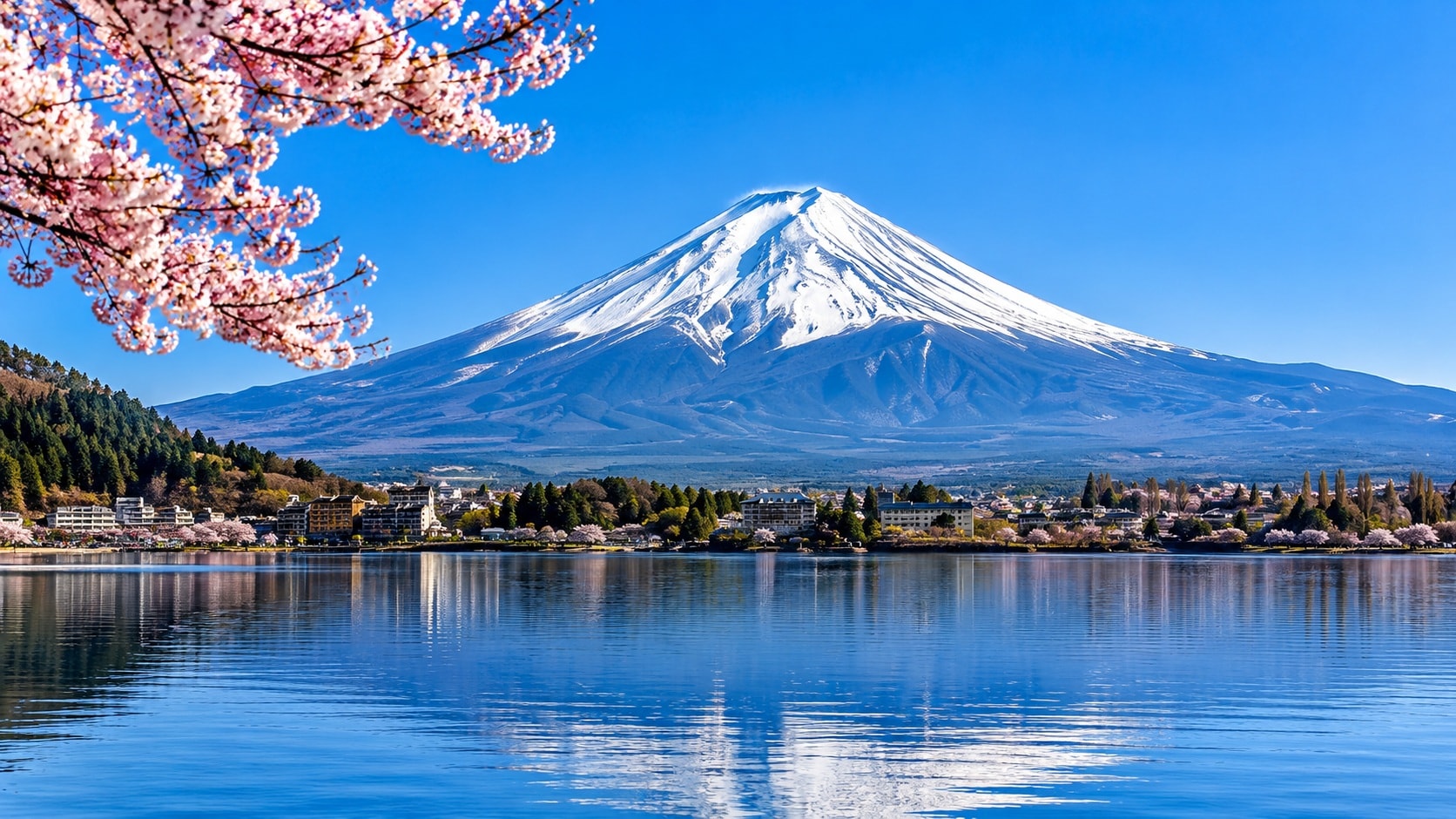
10 Reasons to Visit Japan in Spring
Destination Guide5 min readMarch 2026

10 Reasons to Visit Japan in Spring

Cherry blossoms, mild weather and fewer crowds — spring is the perfect time to experience Japan's timeless beauty.

Japan in spring is a sensory experience unlike any other. From late March through early May, the country transforms into a canvas of soft pinks and whites as cherry blossoms — sakura — bloom from south to north.

1. Cherry Blossom Season: Hanami (flower viewing) is a centuries-old tradition. Parks like Shinjuku Gyoen in Tokyo and Maruyama Park in Kyoto become gathering places for locals and travellers alike.

2. Mild, Pleasant Weather: Spring temperatures range from 10°C to 20°C — perfect for long walks through temple districts and castle grounds without the summer heat and humidity.

3. Golden Week Festivals: Late April and early May bring Golden Week, a cluster of national holidays filled with traditional festivals, parades, and cultural performances across the country.

4. Fewer Crowds Than Autumn: While autumn foliage is equally stunning, spring tends to draw slightly fewer international tourists, making iconic sites a little more accessible.

5. Fresh Seasonal Food: Spring menus feature bamboo shoots, mountain vegetables (sansai), and sakura-flavoured sweets and drinks available only for a few weeks each year.

6. Kyoto at Its Most Beautiful: The ancient capital is breathtaking in spring. The Philosopher's Path, lined with hundreds of cherry trees, is one of the most photographed walks in the world.

7. Mount Fuji Views: Clear spring skies offer some of the year's best views of Fuji-san, especially from the Fuji Five Lakes region where the mountain reflects in calm waters.

8. Hiroshima and the Peace Memorial: Spring adds a layer of quiet beauty to Hiroshima's Peace Memorial Park, where cherry trees line the riverbanks in a powerful symbol of renewal.

9. Bullet Train Travel: The Shinkansen network makes it easy to travel between cities. A Japan Rail Pass lets you cover Tokyo, Kyoto, Osaka, Hiroshima and more in a single trip.

10. Cultural Immersion: Spring is when Japan feels most alive — tea ceremonies, ikebana (flower arranging) workshops, and traditional ryokan stays are all at their most atmospheric.

READY TO TRAVEL?

Turn Inspiration Into a Journey

Let QuestBound plan every detail — flights, hotels, transfers, and experiences.
More Articles
The Ultimate Maldives Packing List
Travel Tips4 min readFebruary 2026

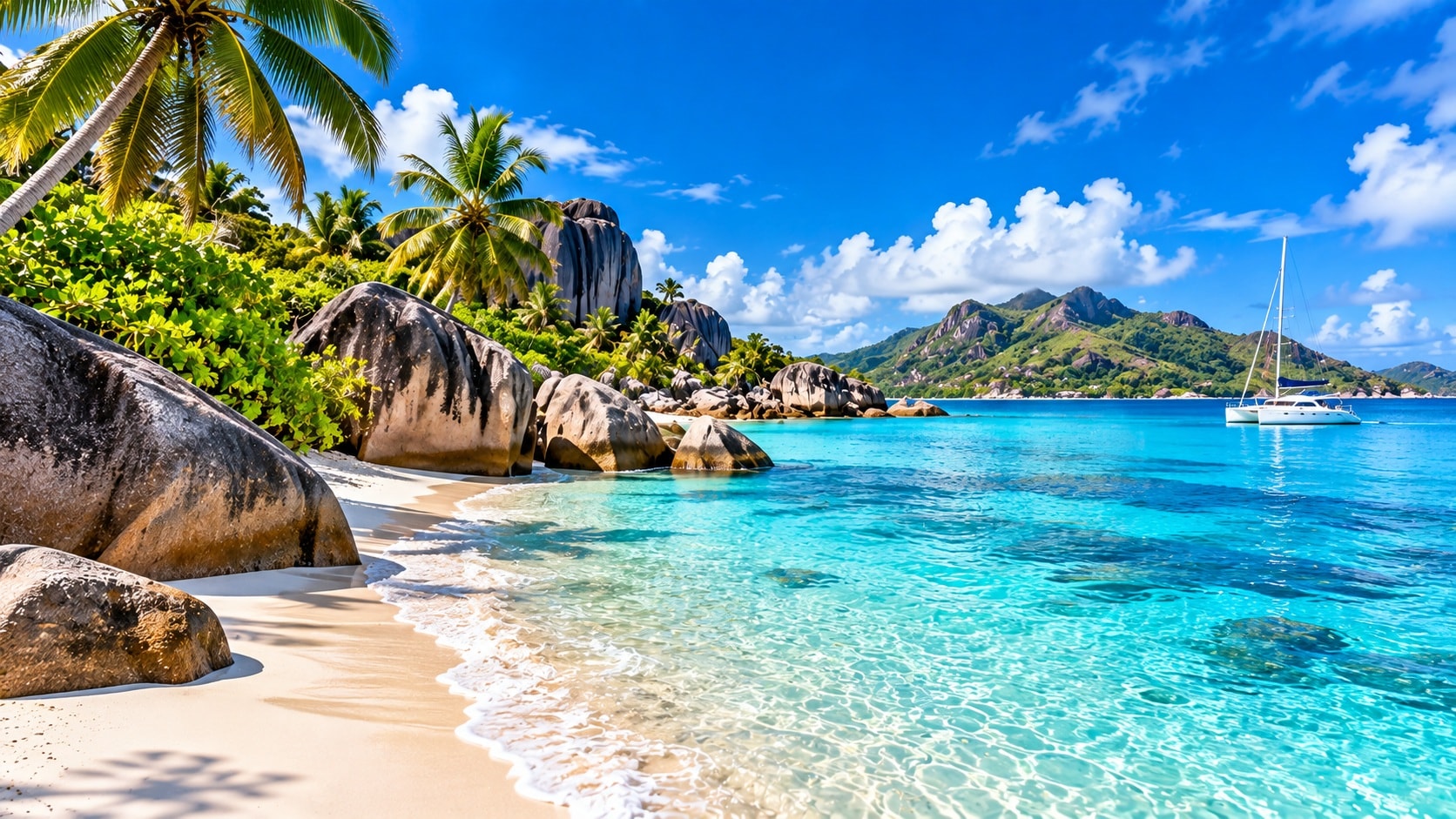
The Ultimate Maldives Packing List

Everything you need to pack for a perfect Maldives holiday — from reef-safe sunscreen to underwater cameras.

Packing for the Maldives is an art. You want to be light enough for speedboat transfers and seaplane hops, yet prepared for everything from snorkelling at dawn to candlelit dinners on the beach.

Sun Protection: Reef-safe sunscreen is essential — many resorts require it to protect the coral. Pack SPF 50+ mineral sunscreen, a wide-brim hat, UV-protective rash guards, and quality polarised sunglasses.

Swimwear: Bring at least three swimsuits so you always have a dry one ready. Board shorts, bikinis, and a one-piece for water sports are all useful. A sarong doubles as a beach cover-up and towel.

Underwater Photography: A waterproof action camera or an underwater housing for your phone will capture the incredible marine life. The Maldives is home to manta rays, whale sharks, and technicolour reef fish.

Snorkelling Gear: While resorts provide equipment, bringing your own mask and snorkel ensures a comfortable fit. Reef shoes protect your feet on rocky entries.

Evening Wear: Resorts have dress codes for dinner. Pack two or three smart-casual outfits — linen trousers, sundresses, or light shirts. Leave the formal suits at home.

Medications and First Aid: Motion sickness tablets are useful for speedboat transfers. Pack antihistamines, insect repellent, and any prescription medications in your carry-on.

Electronics: A universal travel adapter, portable power bank, and waterproof dry bags for your devices are must-haves. Wi-Fi can be limited on remote atolls.

Light Reading and Offline Entertainment: Long transfers and lazy beach days call for books, downloaded podcasts, or offline playlists. The Maldives is the perfect place to truly disconnect.

What to Leave Behind: Heavy clothing, high heels, and excessive luggage. The Maldives is all about simplicity, warmth, and the ocean. Pack light and enjoy every moment.

READY TO TRAVEL?

Turn Inspiration Into a Journey

Let QuestBound plan every detail — flights, hotels, transfers, and experiences.
More Articles
Switzerland by Rail: A Complete Guide
Destination Guide7 min readJanuary 2026

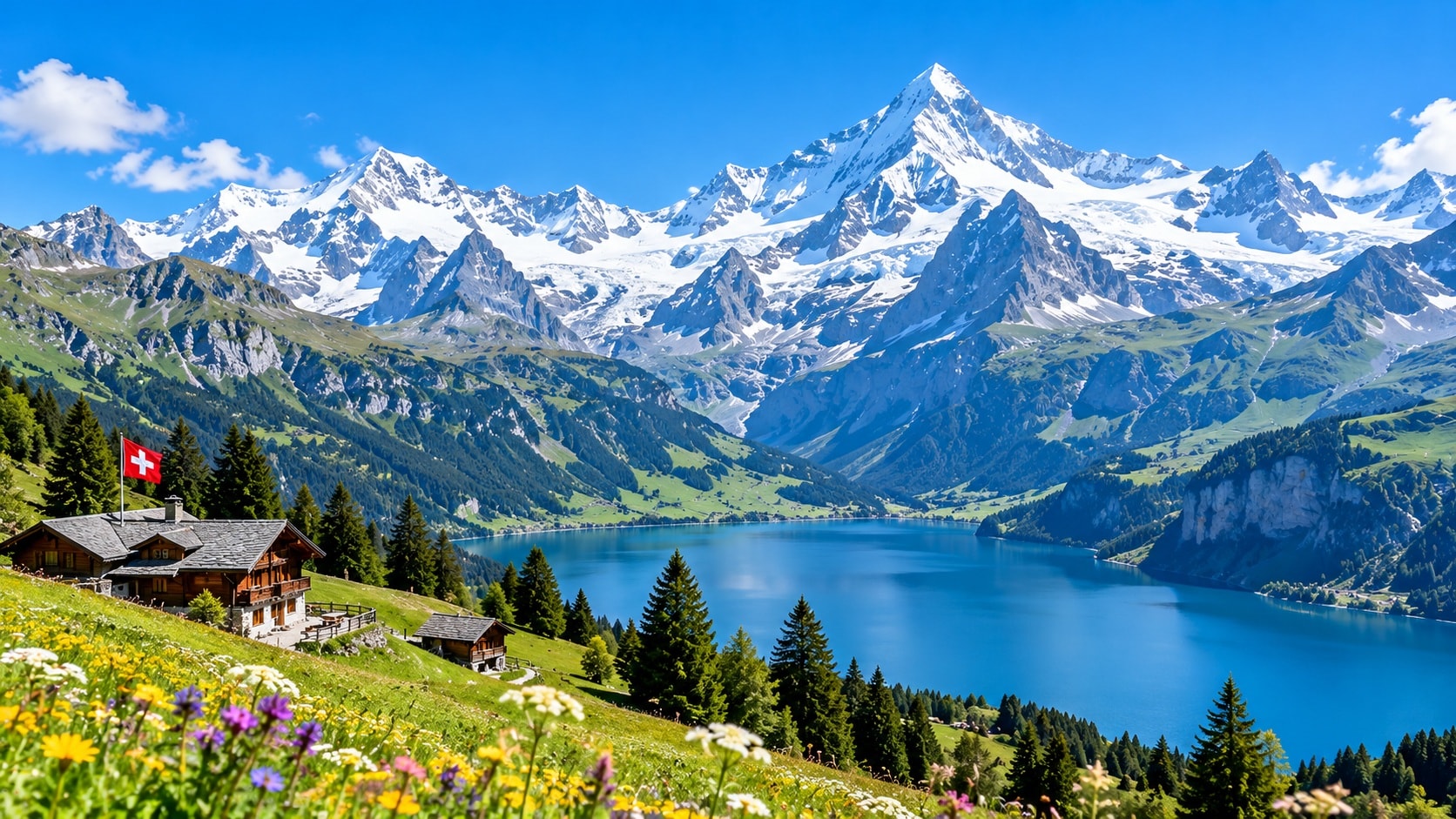
Switzerland by Rail: A Complete Guide

The Swiss Travel Pass, scenic routes and the best stops along the way — your complete guide to exploring Switzerland by train.

Switzerland has one of the world's most efficient and scenic rail networks. Travelling by train here isn't just practical — it's one of the great travel experiences in itself, with panoramic windows framing glaciers, lakes, and medieval towns.

The Swiss Travel Pass: This all-in-one pass covers unlimited travel on trains, buses, and boats across the country. It also includes free entry to over 500 museums and discounts on mountain railways. Available for 3, 4, 6, 8, or 15 consecutive days.

The Glacier Express: Running between Zermatt and St. Moritz, this is arguably the world's most famous slow train. The 8-hour journey crosses 291 bridges and passes through 91 tunnels, with the Matterhorn as a backdrop.

The Bernina Express: From Chur to Tirano in Italy, this UNESCO World Heritage route climbs to 2,253 metres at the Bernina Pass. The panoramic carriages offer unobstructed views of glaciers and alpine meadows.

Zurich to Lucerne: A 45-minute journey that takes you from Switzerland's largest city to one of its most picturesque — Lucerne, with its covered wooden bridge, medieval old town, and lake views of Mount Pilatus.

Interlaken and the Jungfrau Region: The gateway to the Bernese Oberland, Interlaken sits between two lakes with the Eiger, Mönch, and Jungfrau peaks towering above. The Jungfraujoch — Top of Europe — is accessible by rack railway.

Geneva to Montreux: The Golden Pass route along Lake Geneva passes vineyards, Belle Époque hotels, and the Château de Chillon — one of Switzerland's most visited historic monuments.

Practical Tips: Book panoramic car seats in advance on scenic routes. Trains run on time to the minute — missing one is rare but plan connections carefully. Most stations have luggage storage and excellent food halls.

Best Time to Travel: Summer (June–August) offers lush green landscapes and full mountain access. Winter (December–March) transforms the Alps into a snow-covered wonderland, ideal for ski resort hopping by rail.

READY TO TRAVEL?

Turn Inspiration Into a Journey

Let QuestBound plan every detail — flights, hotels, transfers, and experiences.
More Articles
Bali on a Budget: Tips & Tricks
Budget Travel6 min readDecember 2025

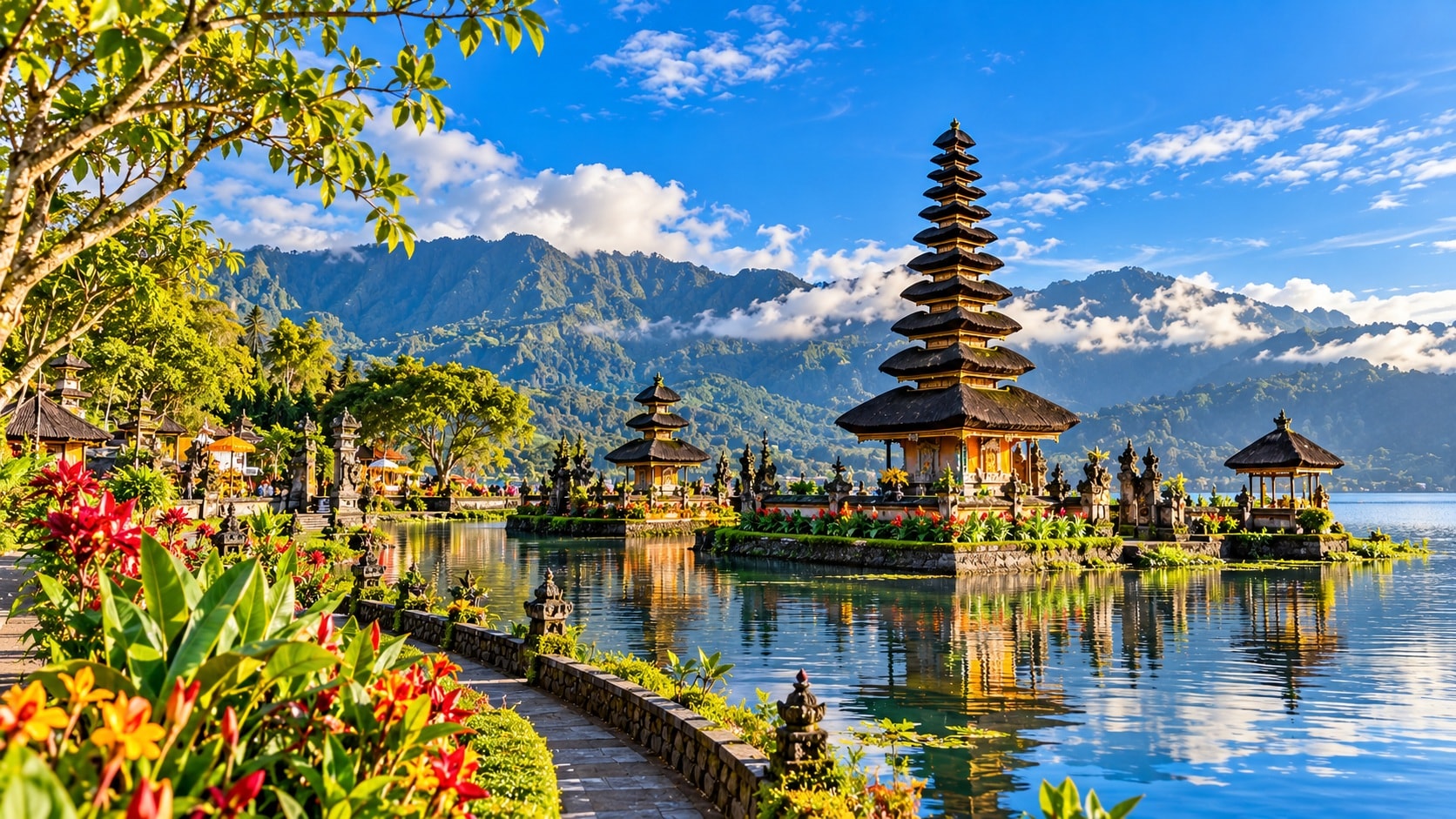
Bali on a Budget: Tips & Tricks

How to experience the magic of Bali without breaking the bank — from affordable villas to free temple visits.

Bali has a reputation for luxury resorts and high-end retreats, but the island is equally kind to budget travellers. With smart planning, you can experience Bali's temples, rice terraces, beaches, and cuisine without overspending.

Where to Stay: Ubud and Canggu offer excellent value guesthouses and private villas from as little as ₹2,500–₹5,000 per night. Look for properties with a private pool — they're surprisingly affordable in Bali compared to other destinations.

Getting Around: Renting a scooter is the most affordable way to explore (around ₹400–₹600 per day). For longer distances, use Grab or Gojek ride-hailing apps — far cheaper than negotiating with private drivers.

Eating Well for Less: Warungs (local family-run eateries) serve nasi goreng, mie goreng, and satay for under ₹200 a meal. Seminyak and Kuta have budget cafés alongside the upscale restaurants. Eat where locals eat.

Free and Low-Cost Temples: Most of Bali's iconic temples — Tanah Lot, Uluwatu, Tirta Empul — charge a small entry fee of ₹150–₹300. Sarong rental is included. Sunrise visits are free of crowds and even more magical.

Rice Terraces and Nature: The Tegallalang Rice Terraces near Ubud have a small donation fee. The Sacred Monkey Forest in Ubud charges around ₹400. Waterfalls like Sekumpul and Gitgit are accessible for minimal cost.

Surf Lessons: Kuta and Seminyak beaches offer surf lessons from around ₹1,500–₹2,500 for a two-hour session including board rental. Bali is one of the best and most affordable places in the world to learn to surf.

Shopping Smart: Ubud Art Market and Sukawati Market are the best places for souvenirs, batik clothing, and handicrafts. Always negotiate — starting at 50% of the asking price is standard practice.

When to Go: The dry season (April–October) is ideal. Shoulder months like April, May, and September offer great weather with fewer tourists and lower prices than peak July–August.

READY TO TRAVEL?

Turn Inspiration Into a Journey

Let QuestBound plan every detail — flights, hotels, transfers, and experiences.
More Articles
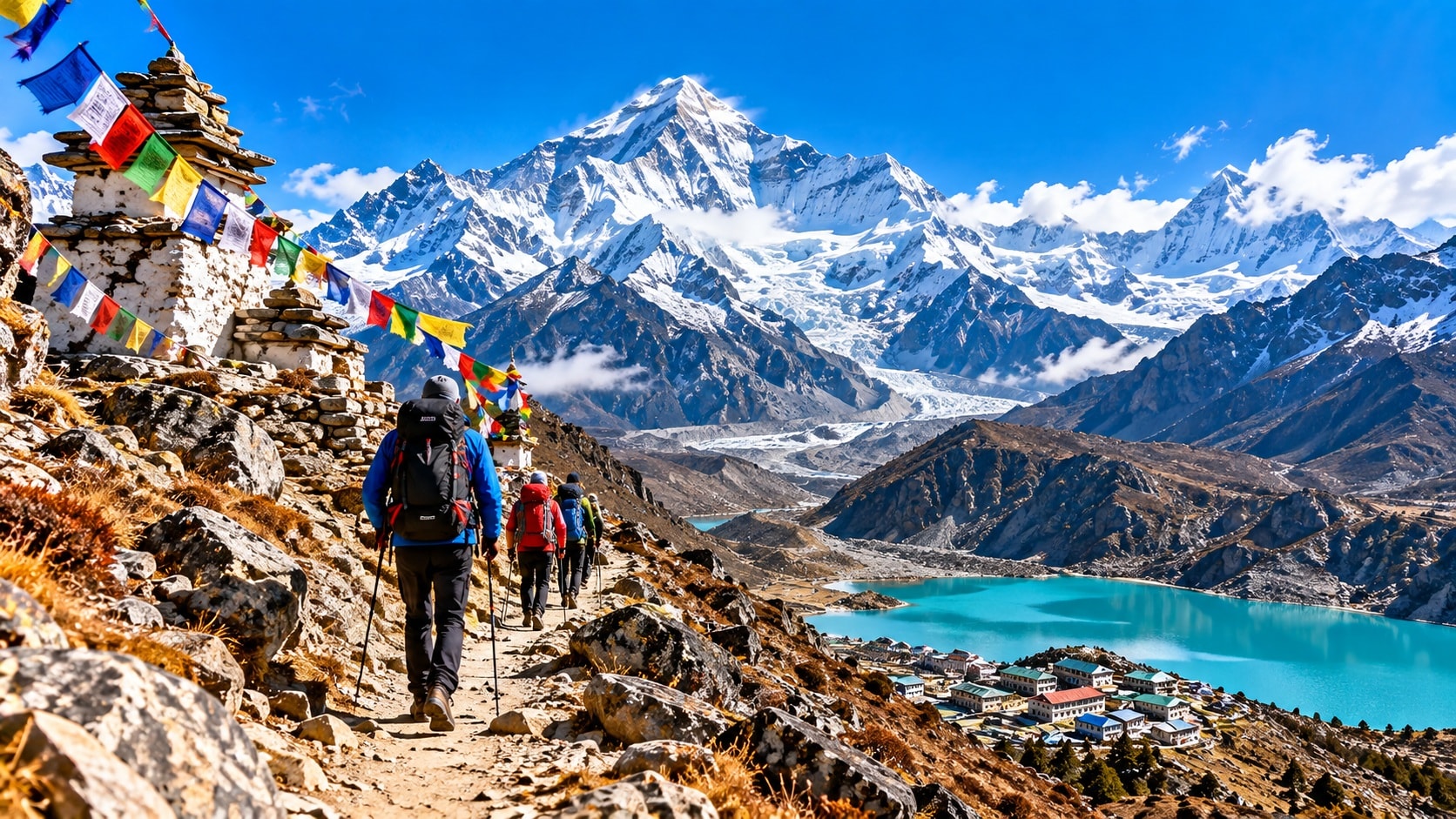
Top 5 Adventure Treks in the Himalayas
Adventure8 min readNovember 2025

Top 5 Adventure Treks in the Himalayas

From the Everest Base Camp to the Roopkund Trek — the most breathtaking high-altitude adventures in India and Nepal.

The Himalayas are home to some of the world's most dramatic trekking routes. Whether you're a seasoned mountaineer or a first-time high-altitude hiker, there's a trail that will push your limits and reward you with views that stay with you forever.

1. Everest Base Camp, Nepal (5,364m): The classic Himalayan pilgrimage. The 12–14 day trek from Lukla passes through Sherpa villages, Buddhist monasteries, and glacial moraines to the foot of the world's highest peak. Best season: March–May and September–November.

2. Roopkund Trek, Uttarakhand (4,800m): Known as the Mystery Lake Trek, Roopkund sits in a glacial basin surrounded by towering peaks. The lake famously contains ancient human skeletal remains. A challenging 8-day trek through dense forests and alpine meadows.

3. Annapurna Circuit, Nepal (5,416m): One of the world's great long-distance treks, the circuit circumnavigates the Annapurna massif over 15–20 days. The Thorong La Pass crossing at 5,416m is the high point — literally and figuratively.

4. Markha Valley Trek, Ladakh (4,900m): A remote and spectacular route through the Ladakhi landscape of barren mountains, ancient monasteries, and nomadic villages. The 8-day trek crosses two high passes and offers views of Kang Yatze (6,400m).

5. Goecha La Trek, Sikkim (4,940m): One of India's finest treks, offering close-up views of Kangchenjunga — the world's third highest peak. The 11-day route passes through rhododendron forests, glacial lakes, and high-altitude meadows.

Essential Preparation: Acclimatisation is critical above 3,500m. Ascend slowly, stay hydrated, and never ignore symptoms of altitude sickness. A good trekking agency, experienced guide, and proper gear are non-negotiable on high-altitude routes.

Best Time to Trek: Pre-monsoon (March–May) and post-monsoon (September–November) offer the clearest skies and most stable conditions. Winter treks are possible on lower routes but require specialist equipment.

READY TO TRAVEL?

Turn Inspiration Into a Journey

Let QuestBound plan every detail — flights, hotels, transfers, and experiences.
More Articles
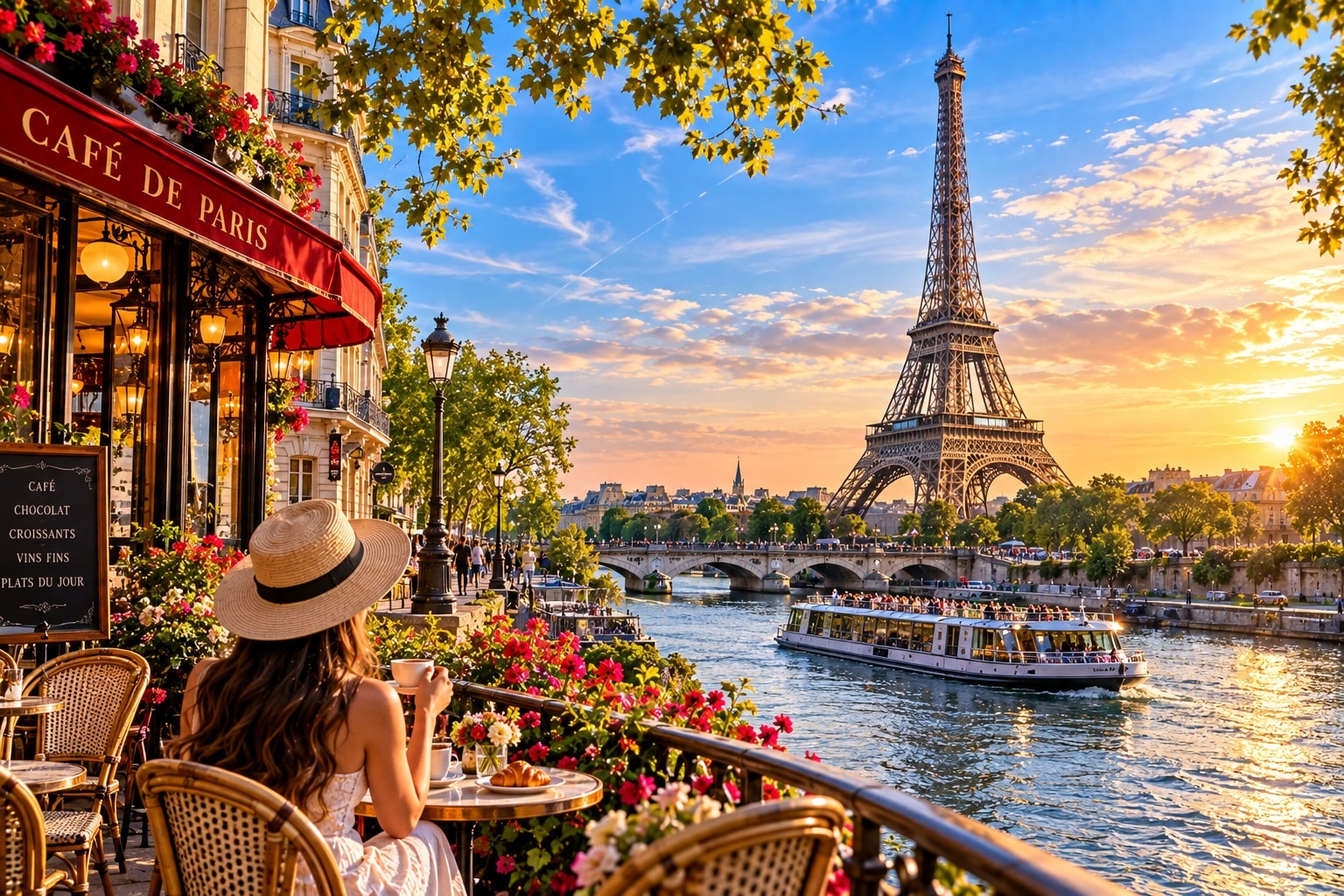
Paris for First-Timers: A 4-Day Itinerary
Destination Guide6 min readOctober 2025

Paris for First-Timers: A 4-Day Itinerary

The Eiffel Tower, Louvre, Montmartre and more — how to make the most of your first visit to the City of Light.

Paris rewards first-time visitors with an almost overwhelming abundance of art, architecture, food, and romance. Four days is enough to experience the city's greatest highlights while leaving room to simply wander and absorb the atmosphere.

Day 1 — The Icons: Start at the Eiffel Tower at opening time to beat the queues. Walk along the Champ de Mars, then cross to Trocadéro for the classic view. Afternoon: the Musée d'Orsay for Impressionist masterpieces. Evening: dinner in Saint-Germain-des-Prés.

Day 2 — The Louvre and the Marais: Dedicate the morning to the Louvre — book tickets in advance and focus on the highlights (Mona Lisa, Venus de Milo, Winged Victory). Afternoon: explore the Marais district, Place des Vosges, and the Picasso Museum.

Day 3 — Montmartre and the Right Bank: Morning in Montmartre — the Sacré-Cœur, the artists' square at Place du Tertre, and the winding streets of the village. Afternoon: the Palais Royal gardens, the Opéra Garnier, and the grands boulevards.

Day 4 — Versailles or the Seine: Take the RER C to the Palace of Versailles for a half-day (book well in advance). Return to Paris for a Seine river cruise at sunset — the city looks extraordinary from the water.

Getting Around: The Paris Métro is fast, affordable, and covers every major sight. Buy a carnet of 10 tickets or a Navigo weekly pass. Walking between nearby attractions is often the most enjoyable option.

Where to Eat: Skip the tourist restaurants near major sights. Look for a handwritten menu (le menu) on a chalkboard — a reliable sign of a genuine neighbourhood bistro. Lunch is often better value than dinner at the same restaurant.

Practical Tips: Book the Eiffel Tower, Louvre, and Versailles online well in advance — queues without a booking can be hours long. Most museums are free on the first Sunday of the month. Paris is best explored on foot — wear comfortable shoes.

READY TO TRAVEL?

Turn Inspiration Into a Journey

Let QuestBound plan every detail — flights, hotels, transfers, and experiences.

More Articles